
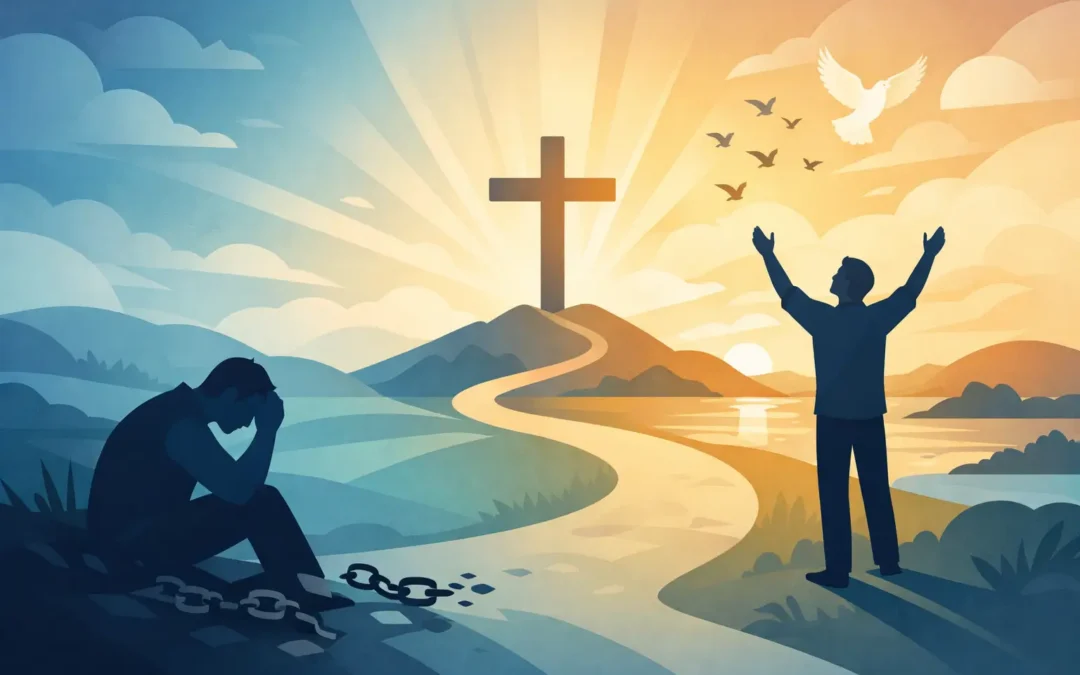
Some people wait to seek help until they have one more bad night, one more broken promise, or one more moment of shame they can no longer carry. If that is where you are, this Christian addiction recovery guide is for you. Not because you need a polished religious answer, but because you need real hope, honest support, and a place to begin again.
Addiction rarely stays contained. It reaches into your thoughts, your relationships, your body, your finances, and your faith. It can leave you feeling split in two – the person you want to be and the person you keep becoming. Yet the Gospel speaks directly to that kind of bondage. Jesus does not move away from people in pain. He meets them there, tells the truth about sin and suffering, and offers a new way to live.
What a Christian addiction recovery guide should actually do
A good Christian addiction recovery guide should do more than tell you to pray harder. It should make room for honesty. It should remind you that addiction is not only about bad behavior, but also about deeper wounds, false comforts, and patterns that have gained power over time.
That matters because many people carry two kinds of pain at once. There is the pain of the addiction itself, and there is the pain of feeling spiritually disqualified because of it. But brokenness does not make you unwelcome before God. In Christ, confession is not the end of the story. It is often the beginning of healing.
Christian recovery also refuses a false choice between spiritual help and practical help. You may need repentance, and you may also need structure. You may need prayer, and you may also need people who will ask hard questions and walk with you week after week. Healing is spiritual, but it is not less than practical.
Why faith matters in recovery
Many recovery approaches help people identify patterns, triggers, and consequences. Those things matter. But faith-based recovery goes further by asking deeper questions. What are you turning to for comfort, escape, control, or relief? What story do you believe about yourself when you fail? Who gets the final word over your identity?
Addiction often grows in places where shame, grief, fear, anger, or loneliness have gone untreated. That does not remove personal responsibility, but it does help explain why sheer willpower usually fails. If the heart is starving, it will keep reaching for something. Christian recovery addresses that hunger by pointing people back to Christ – not as a slogan, but as Savior, healer, and Lord.
This changes the goal. Recovery is not just about stopping a destructive behavior. It is about learning to live in truth. It is about becoming honest, teachable, connected, and spiritually awake. It is about discovering that God is bigger than your problems and that your life is not over because you have struggled.
The first steps in a Christian addiction recovery guide
The first step is honesty. Not partial honesty, and not the kind that softens the truth just enough to stay comfortable. Freedom begins when you stop pretending the problem is smaller than it is. You may have told yourself you can quit anytime, that nobody is really being hurt, or that your spiritual life is still basically fine. Addiction thrives in secrecy. Light breaks its power.
The next step is surrender. That word can feel unsettling, especially if you have spent years trying to keep control. But surrender in Christian recovery is not giving up on life. It is giving up the illusion that you can save yourself. It is telling God the truth: I need help, I cannot fix this alone, and I am ready to be led.
After that comes community. This is where many people hesitate. Shame says, Keep this hidden. Pride says, Handle it yourself. Fear says, If people know the truth, they will reject you. But healing happens in community. Not every group is healthy, and not every person is safe, so wisdom matters. Still, isolation is one of addiction’s favorite tools. Recovery grows stronger when it is witnessed, supported, and encouraged by others.
What Christian recovery looks like in real life
In real life, recovery is usually less dramatic and more steady than people expect. There may be breakthrough moments, but most change comes through repeated choices. You tell the truth when you want to hide. You show up when you feel embarrassed. You ask for prayer before the crisis instead of after it. You begin replacing destructive routines with life-giving ones.
For many people, this includes a Christ-centered recovery process shaped by biblical truth and shared accountability. The 12-step framework can be helpful here when it is rooted in the Gospel. It creates language for confession, amends, surrender, inventory, support, and service. Those are not shortcuts. They are practices that train the heart in humility and obedience.
It also helps to understand that relapse, temptation, and setbacks do not all mean the same thing. A setback is serious, but it does not have to become surrender to hopelessness. Some people respond to failure by disappearing, assuming they have ruined everything. But falling is not the same as being beyond help. The right response is quick honesty, renewed repentance, and a return to community rather than retreat from it.
A Christian addiction recovery guide for shame and identity
One of the deepest battles in addiction recovery is the battle over identity. Shame says, This is who you are. The Gospel says, In Christ, your struggle is real, but it is not your name. That difference matters more than many people realize.
If you only see yourself as an addict, a failure, or a disappointment, you will keep relating to recovery from a place of condemnation. But if you begin to understand yourself as someone loved by God and called into truth, your motivation starts to change. You are no longer chasing freedom to earn worth. You are learning to walk in the worth Christ has already spoken over you.
This does not mean minimizing sin. Grace tells the truth. It names what is destructive, calls for repentance, and refuses excuses. But grace also says you are not beyond redemption. The cross of Christ is enough to deal with both guilt and shame. That is why Christian recovery carries real hope. It does not depend on your past being clean. It depends on Jesus being faithful.
What to look for in a church-based recovery ministry
Not every church knows how to create a safe recovery environment. If you are looking for help, look for a place where truth and grace are both present. You should not be coddled in denial, and you should not be crushed by condemnation either.
A healthy ministry will make space for honesty, accountability, prayer, and practical support. It will recognize that addiction is often connected to hurts, hang-ups, habits, and unresolved pain. It will point people toward Christ while also encouraging steady participation, trusted relationships, and personal responsibility.
It also helps when the environment is simple and welcoming. For many people, the hardest step is the first one through the door. A ministry like New Paths Recovery serves people well by removing barriers and making it easier to show up, be known, and begin. That matters more than flashy language or polished appearances.
If you are not sure you belong here
You may be reading this and wondering whether Christian recovery is really for you. Maybe you have tried to quit before and failed. Maybe you are angry with God. Maybe you are not even sure what you believe, but you know your life cannot keep going this way.
You do not need to have everything sorted out before seeking help. You do not need a perfect testimony, a strong Bible vocabulary, or a clean recent history. What you need is willingness. A small, honest yes can be enough to start.
Freedom usually begins quietly. It begins when someone tells the truth for the first time. When someone asks for prayer without pretending. When someone walks into a room carrying pain and finds out they are not alone. God still meets people there. He still restores what looks ruined. He still calls people out of darkness and into new life.
If you are weary of hiding, let today be simple. Take the next right step. Show up. Tell the truth. Let grace meet you where shame has been speaking. There is hope for you, and by God’s mercy, a new path is still possible.